Ocean County Sod Blog
Lawn Care Tips & Local Insights
Expert advice for Jersey Shore homeowners. From sod installation to irrigation systems, get the local knowledge you need for a beautiful lawn in Ocean and Monmouth Counties.

Best Sod Installation Companies in Barnegat, NJ (2026): Honest Reviews & Rankings
Looking for the best sod installation company in Barnegat, NJ? We reviewed 7 local contractors — comparing reviews, pricing, grass varieties, and warranties — so you can make the right choice for your southern Ocean County lawn.
Latest Articles
Best Sod Installation Companies in Point Pleasant, NJ (2026): Honest Reviews & Rankings
Looking for the best sod installation company in Point Pleasant, NJ? We reviewed 7 local contractors — comparing reviews, pricing, grass varieties, and warranties — so you can make the right choice for your Shore lawn.
Best Sod Installation Companies in Wall Township, NJ (2026): Honest Reviews & Rankings
Looking for the best sod installation company in Wall Township, NJ? We reviewed 7 local contractors — comparing reviews, pricing, grass varieties, and warranties — so you can make the right choice for your Monmouth County lawn.
Best Sod Installation Companies in Brick, NJ (2026): Honest Reviews & Rankings
Looking for the best sod installation company in Brick Township, NJ? We reviewed 8 local contractors — comparing reviews, pricing, grass varieties, and warranties — so you can make the right choice for your Ocean County lawn.
Best Sod Installation Companies in Toms River, NJ (2026): Honest Reviews & Rankings
Looking for the best sod installation company in Toms River, NJ? We reviewed 8 local contractors — comparing reviews, pricing, grass varieties, and warranties — so you can make the right choice for your lawn.
Best Sod Installation Companies in Ocean County, NJ (2026): Honest Reviews & Rankings
Looking for the best sod installation company in Ocean County, NJ? We reviewed 8 local contractors — comparing Google reviews, pricing, grass varieties, soil prep, and warranties — so you can make the right choice for your lawn.
Sod Installation in Little Egg Harbor, NJ: The Complete Guide for Southern Ocean County Homeowners
Everything Little Egg Harbor homeowners need to know about sod installation — from Mystic Island's canal-front properties to Parkertown's wooded lots. Neighborhood-specific soil prep, Tall Fescue Blue recommendations, pricing, and the 30-day care schedule.
Sod Installation in Wall Township, NJ: The Definitive Guide for Monmouth County Homeowners
Everything Wall Township homeowners need to know about sod installation — from choosing the right grass for Monmouth County's mixed soil conditions to neighborhood-specific recommendations for Allaire, Allenwood, West Belmar, and Old Mill.
Sod Installation in Point Pleasant, NJ: The Complete Homeowner's Guide
Everything Point Pleasant homeowners need to know about sod installation — from choosing the right grass for the Jersey Shore climate to what a professional install costs and how fast your lawn will look perfect.
Sod Installation in Brick, NJ: What Every Homeowner Needs to Know
Brick Township is Ocean County's largest town — and one of our busiest service areas. Here's everything Brick homeowners need to know about sod installation, from Herbertsville to Laurelton, Brick Town to Adamston.
Best Time to Install Sod in Ocean County: Your Complete Spring 2026 Guide
Discover the optimal timing for sod installation across Ocean County. Learn why late March through May offers ideal conditions for Toms River, Brick, Lakewood, and Jackson homeowners to achieve a perfect lawn.
Early Spring Lawn Prep: Get Ahead of Your Neighbors in Ocean County
Late February is prime time to prep your Ocean County lawn for spring. Learn the exact steps Toms River, Brick, and Jackson homeowners should take now to have the greenest lawn on the block by April.
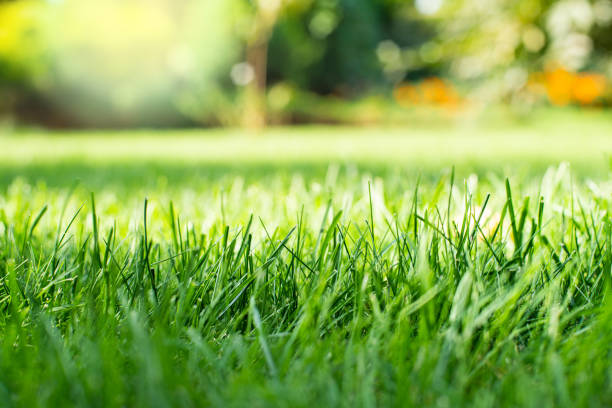
Winter Lawn Care Tips for Ocean County Homeowners (February 2026)
Don't let winter damage ruin your spring lawn. Learn what Toms River, Brick, and Barnegat homeowners need to do right now to protect their grass investment and prepare for a lush spring green-up.
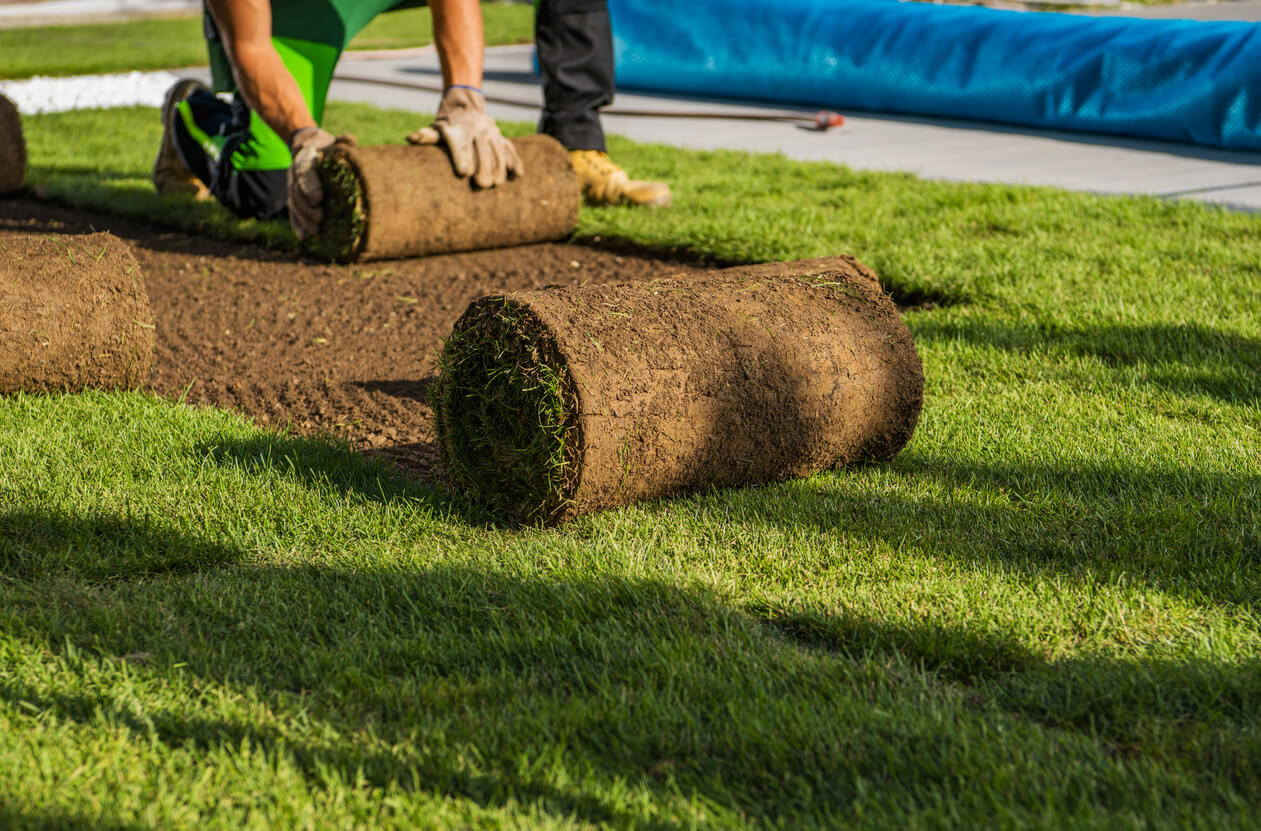
How Much Does Sod Installation Cost in Ocean County, NJ? (2026 Guide)
Planning a lawn transformation in Toms River, Brick, or Barnegat? Here's what Ocean County homeowners can expect to pay for professional sod installation, including labor, materials, and our Lifetime Asset Protection guarantee.
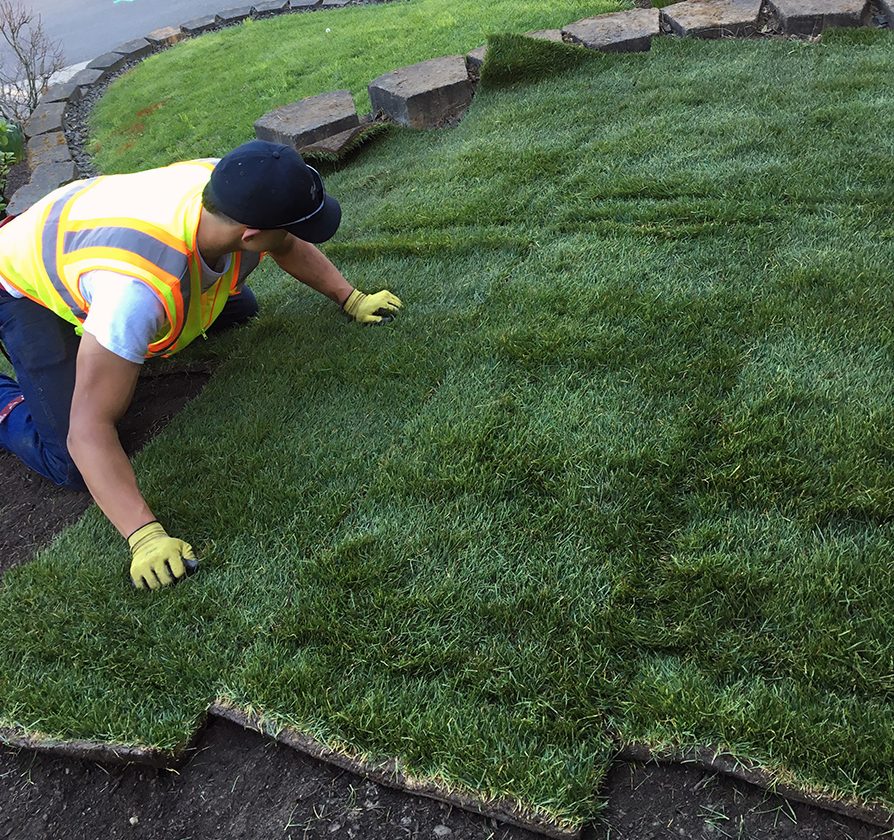
Sprinkler System Installation at the Jersey Shore: Complete Guide for 2026
From Point Pleasant to Barnegat, learn everything Jersey Shore homeowners need to know about installing an irrigation system, including costs, best practices for sandy soil, and how to protect your investment from salt air.
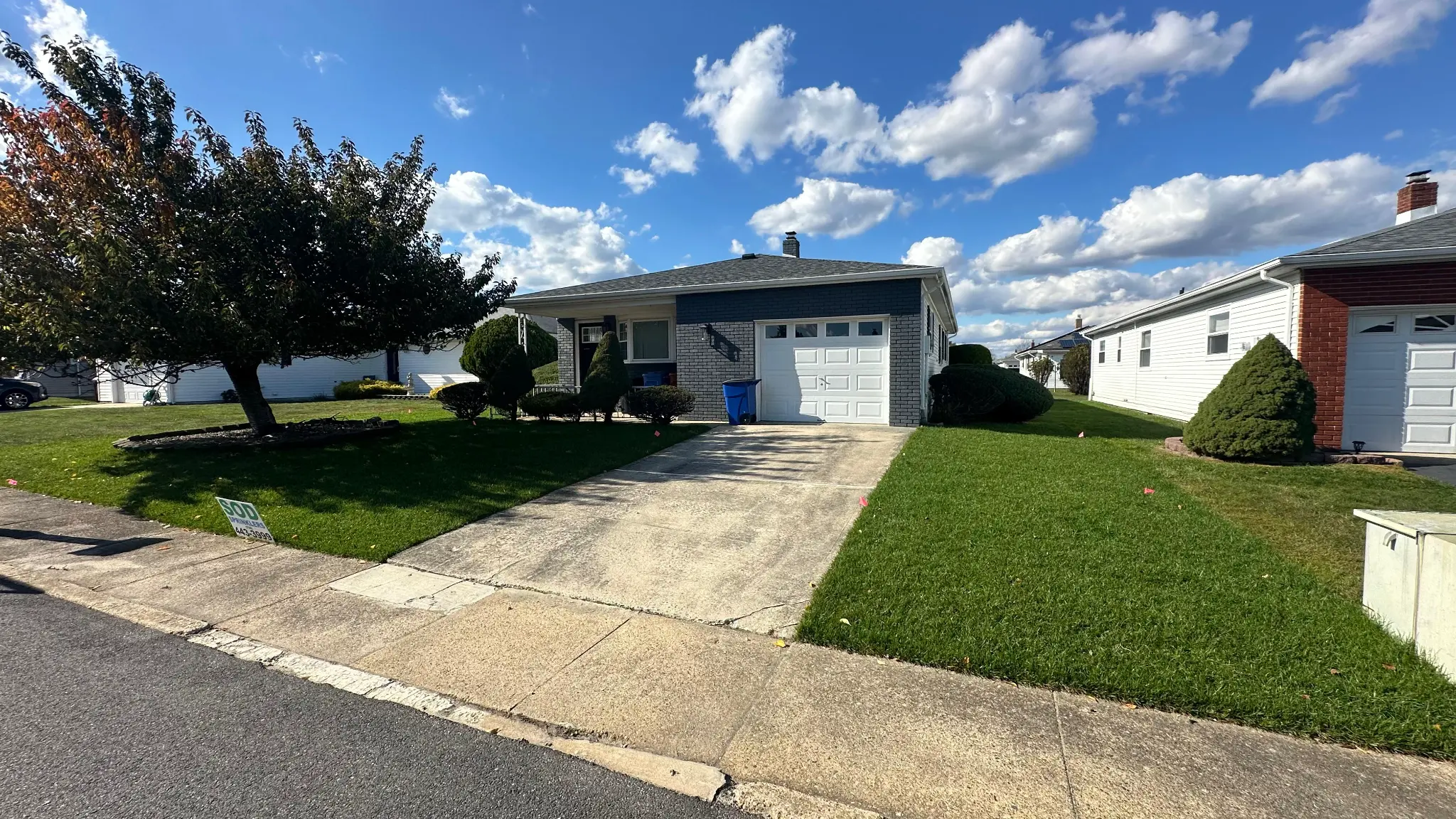
Why Our Lifetime Asset Protection Warranty is the Best in New Jersey
Most landscapers walk away the day the sod is laid. We don't. Discover why our Lifetime Asset Protection guarantee makes Ocean County Sod the smartest choice for your lawn investment.
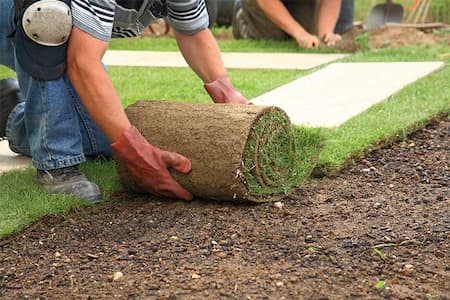
The Secret to Lush NJ Lawns: Why Our Composted Soil Makes All the Difference
Ocean County's sandy, acidic soil is tough on lawns. Learn how our premium composted soil transforms your property's foundation for grass that thrives year after year.
Our Story: From Family Farm to Ocean County's Most Trusted Sod Company
Meet the family behind Ocean County Sod. Learn how our local roots, hands-on approach, and commitment to customer satisfaction have made us the Jersey Shore's go-to lawn experts.
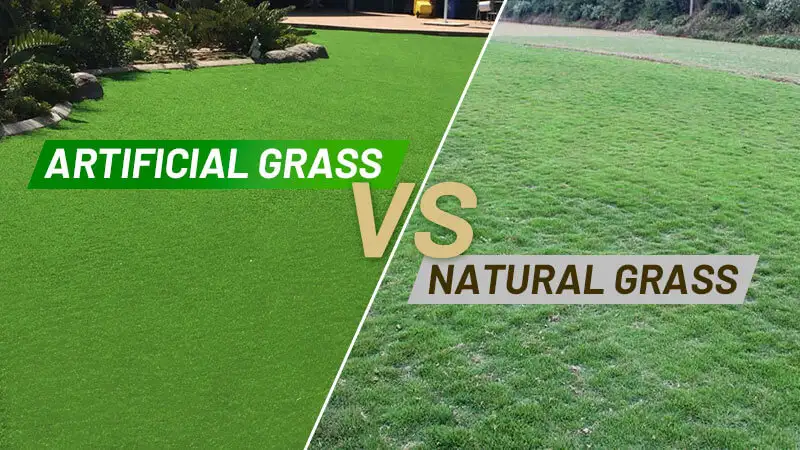
Artificial Turf vs. Natural Grass: The Real Cost Comparison for NJ Homeowners
Is artificial turf worth the upfront investment? We break down the 10-year cost comparison, maintenance requirements, and which option makes sense for different Jersey Shore lifestyles.
When is the Best Time to Install Sod at the Jersey Shore?
Timing is everything for sod installation success. Learn the optimal seasons for laying sod in Ocean and Monmouth Counties, and why our year-round installation approach works.
5 Common Lawn Problems in Ocean County (And How to Fix Them)
Brown patches, crabgrass, grubs, and more—Ocean County lawns face unique challenges. Learn how to identify and solve the most common lawn problems we see in Toms River, Brick, and beyond.
How to Prepare Your Lawn for Jersey Shore Salt Air and Sandy Soil
Living near the ocean is beautiful, but tough on lawns. Learn the secrets to growing lush grass despite Ocean County's challenging coastal conditions.
Sod vs. Seed: Which is Right for Your New Jersey Property?
Trying to decide between sod and seed for your lawn? We break down the pros, cons, costs, and timelines to help Ocean County homeowners make the best choice.