Spring Lawn Makeover Tips for Toms River Residents
Assess Your Lawn's Current Condition
Spring is the perfect time for Toms River residents to give their lawns a fresh start. Before diving into any major projects, take a moment to assess your lawn's current condition. Look for bald spots, weed infestations, and any signs of disease. This initial evaluation will help you determine the best course of action for your spring lawn makeover.
Consider taking soil samples to understand the nutrient levels and pH balance. This step can provide insights into what your lawn may be lacking and guide your fertilization choices. A healthy lawn begins with a solid foundation, and knowing your soil is key.

Start with Cleanup and Preparation
Once you've assessed your lawn, the next step is to prepare it for new growth. Begin by raking away dead leaves, twigs, and debris that may have accumulated over the winter months. Clearing out this organic matter allows sunlight and air to reach the grass, promoting healthy growth.
After cleaning, aerate your lawn to relieve soil compaction and improve water absorption. Aeration involves perforating the soil with small holes to allow air, water, and nutrients to penetrate the roots. This process is essential for maintaining a lush, green lawn throughout the growing season.

Reseed and Fertilize
To address any bare patches or thin areas, overseeding is crucial. Choose a high-quality grass seed that matches your existing lawn type. Apply the seed evenly across affected areas, and water regularly to ensure germination.
Fertilization is another critical step in your spring lawn makeover. Use a slow-release fertilizer that is rich in nitrogen to promote vibrant growth. Be sure to follow the manufacturer’s instructions for application rates to avoid over-fertilizing, which can damage your lawn.

Control Weeds and Pests
Weeds and pests can quickly take over if left unchecked. Use a pre-emergent herbicide to prevent crabgrass and other common weeds from sprouting. For existing weeds, a post-emergent herbicide can help control them effectively.
Keep an eye out for pests such as grubs and chinch bugs, which can cause significant damage. If you notice any signs of these pests, consider using an appropriate insecticide or introducing beneficial insects that naturally control pest populations.
Water Wisely
Proper watering is essential for a thriving lawn. Water deeply but infrequently to encourage deep root growth. Early morning is the best time to water, as it reduces evaporation and fungal diseases.
Avoid overwatering, which can lead to shallow roots and an increased risk of disease. Adjust your watering schedule based on rainfall and temperature changes throughout the spring season.

Maintain a Regular Mowing Schedule
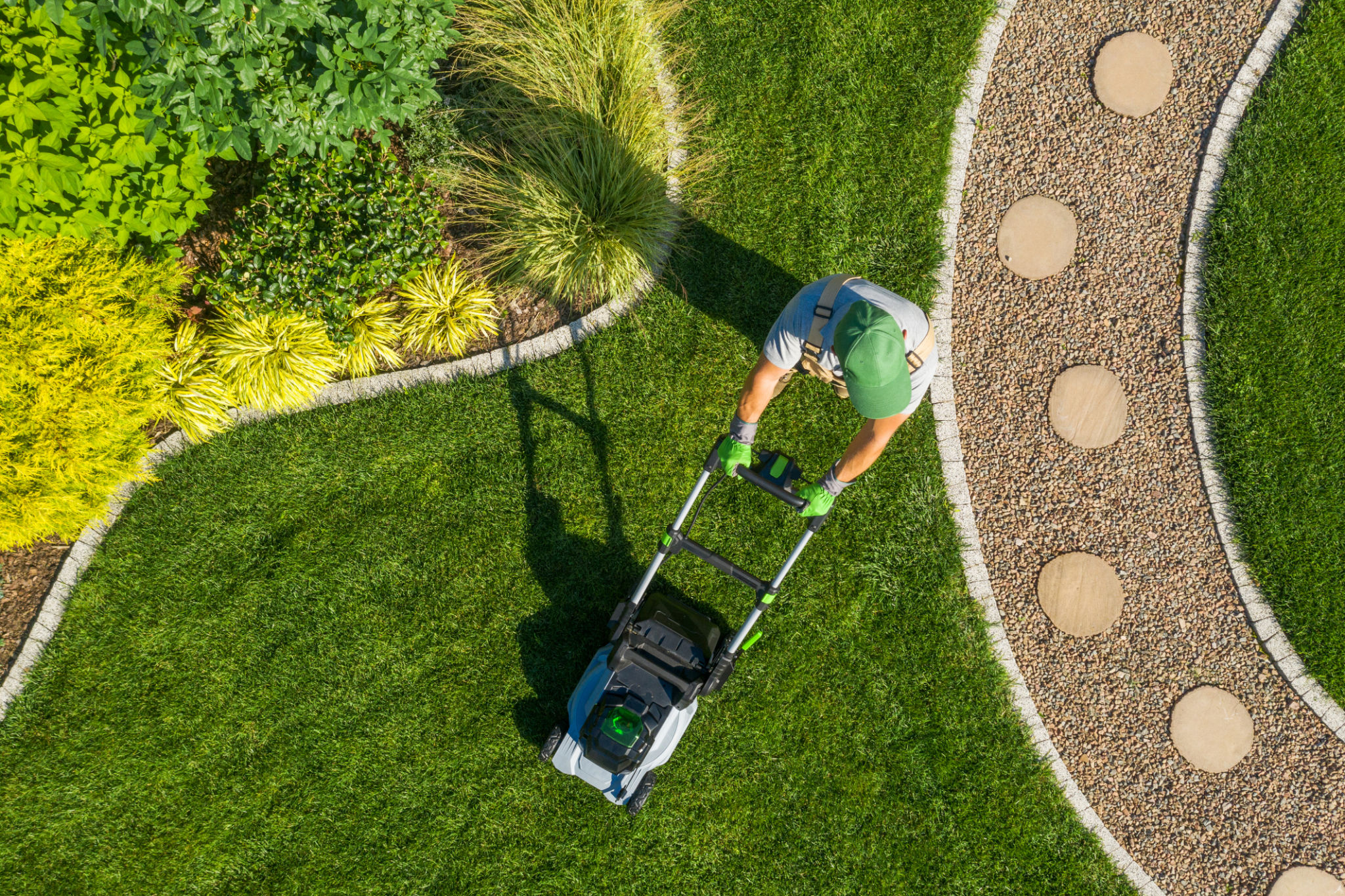
Mowing is a vital part of lawn care. Set your mower blade to the correct height for your grass type, and never cut more than one-third of the grass height at a time. This practice ensures that your lawn remains healthy and resilient.
Sharpen your mower blades regularly to ensure clean cuts, preventing damage to the grass. A well-maintained mower contributes significantly to the overall health and appearance of your lawn.