
Expert Tips for Installing Artificial Turf in Ocean and Monmouth Counties
Considering installing artificial turf in Ocean and Monmouth Counties? This eco-friendly and low-maintenance solution is perfect for homeowners looking to enhance their outdoor spaces. Here are some expert tips to ensure a smooth installation process and long-lasting results.
Choose the Right Type of Turf
Before you begin the installation process, it's essential to choose the right type of artificial turf. Consider factors such as the intended use, desired appearance, and budget. For residential lawns, a turf with a shorter pile height and a soft texture is ideal. For sports fields, look for a more durable type that can withstand heavy use.

It's also important to select turf with UV protection to prevent color fading from the sun. Consult with a local supplier to find the best options for your specific needs and climate conditions.
Prepare the Ground
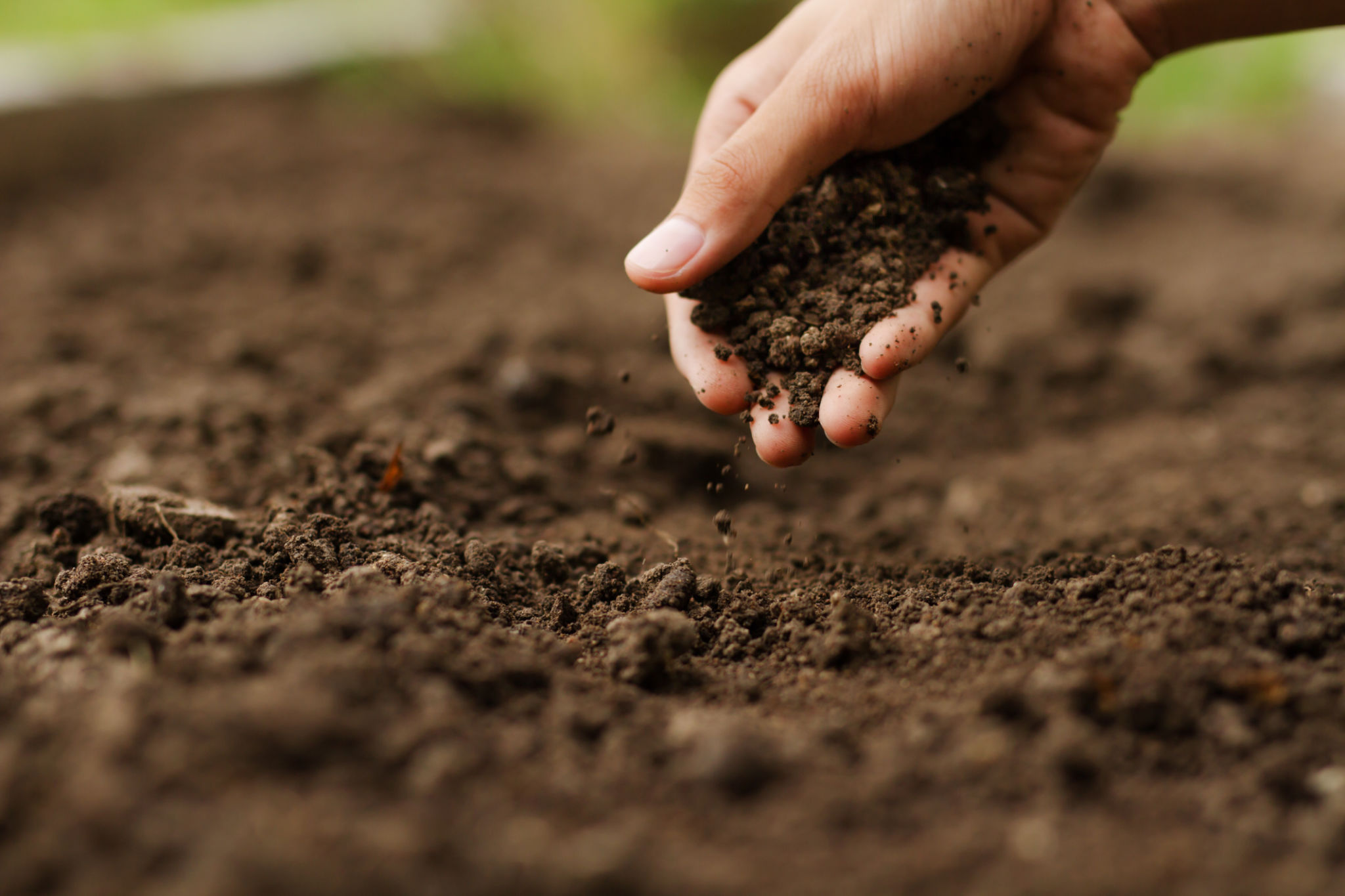
Proper ground preparation is crucial for a successful installation. Begin by removing any existing grass, rocks, and debris from the area. This can be done using a sod cutter or shovel. Once cleared, ensure the ground is level. You may need to add or remove soil to achieve this.
Next, install a weed barrier to prevent unwanted growth beneath your turf. This step will help maintain the pristine appearance of your installation over time.
Install a Solid Base
A well-compacted base is essential for stability and drainage. Typically, a layer of crushed stone or gravel is used. Spread the material evenly across the area, then use a compactor to create a firm surface.
Ensure the base has a slight slope to promote proper drainage. This will prevent water from pooling on the surface, which can lead to damage or mold growth.

Lay the Turf
Once the base is prepared, it's time to lay the artificial turf. Unroll the turf carefully, ensuring that the grain is facing the same direction for a uniform look. Use a utility knife to trim any excess material, allowing the turf to fit perfectly within the designated area.
Secure the edges with landscape staples or nails, placing them at regular intervals to prevent movement. For a seamless finish, use adhesive or seam tape to join sections of turf together.
Finishing Touches
After the turf is laid and secured, add a layer of infill material, such as sand or rubber granules. This helps to weigh down the turf, keeping it in place, and provides a soft feel underfoot.
Finally, brush the turf fibers with a stiff broom to encourage them to stand upright. This gives the turf a natural appearance and enhances its durability.
By following these expert tips, you can achieve a beautiful and long-lasting artificial turf installation in Ocean and Monmouth Counties. With proper care, your turf will remain lush and vibrant for years to come.